The Streamlined Icon That Revived America’s Depression-Era Railroads
This Autumn, KATO will release a 1/160 N-scale model of the “Pioneer Zephyr,” one of the most iconic trains in American railway history and a landmark of speed, innovation, and streamlined design. Discover its fascinating history and product details below!
Railway Recovery from the Great Depression
The global economic depression that began in 1929 had a major impact on American railroads. At the time, steam locomotives dominated railway travel, but their need for coal, water, facilities, and support staff made them expensive to operate. Due to the economic downturn, passenger numbers decreased sharply. Furthermore, with the spread of automobiles and airplanes, railroads were rapidly losing their position. Amid these circumstances, railway companies were being called upon to implement fundamental reforms in order to rebuild passenger transportation.
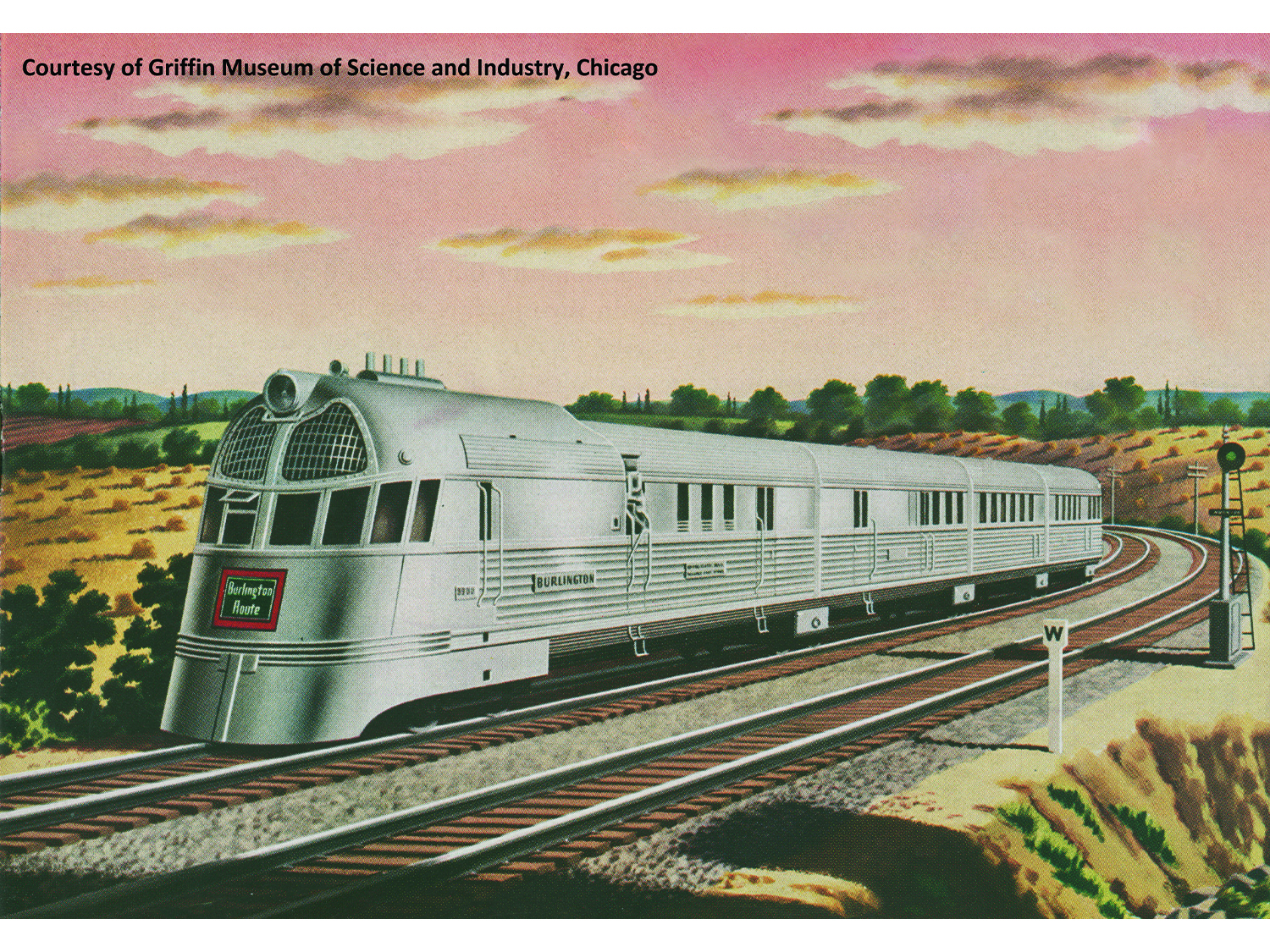
In response to this challenge, the Chicago, Burlington & Quincy Railroad (CB&Q) introduced the Burlington Zephyr. This new type of railcar, which combined a lightweight stainless-steel body with a diesel engine, was capable of addressing two long-standing problems faced by conventional railways: high operating costs and an outdated image. The trainset used articulated bogies, enabling high-speed yet stable operation. Its streamlined exterior completely changed how people thought about trains, creating the powerful impression of a “train of the future".
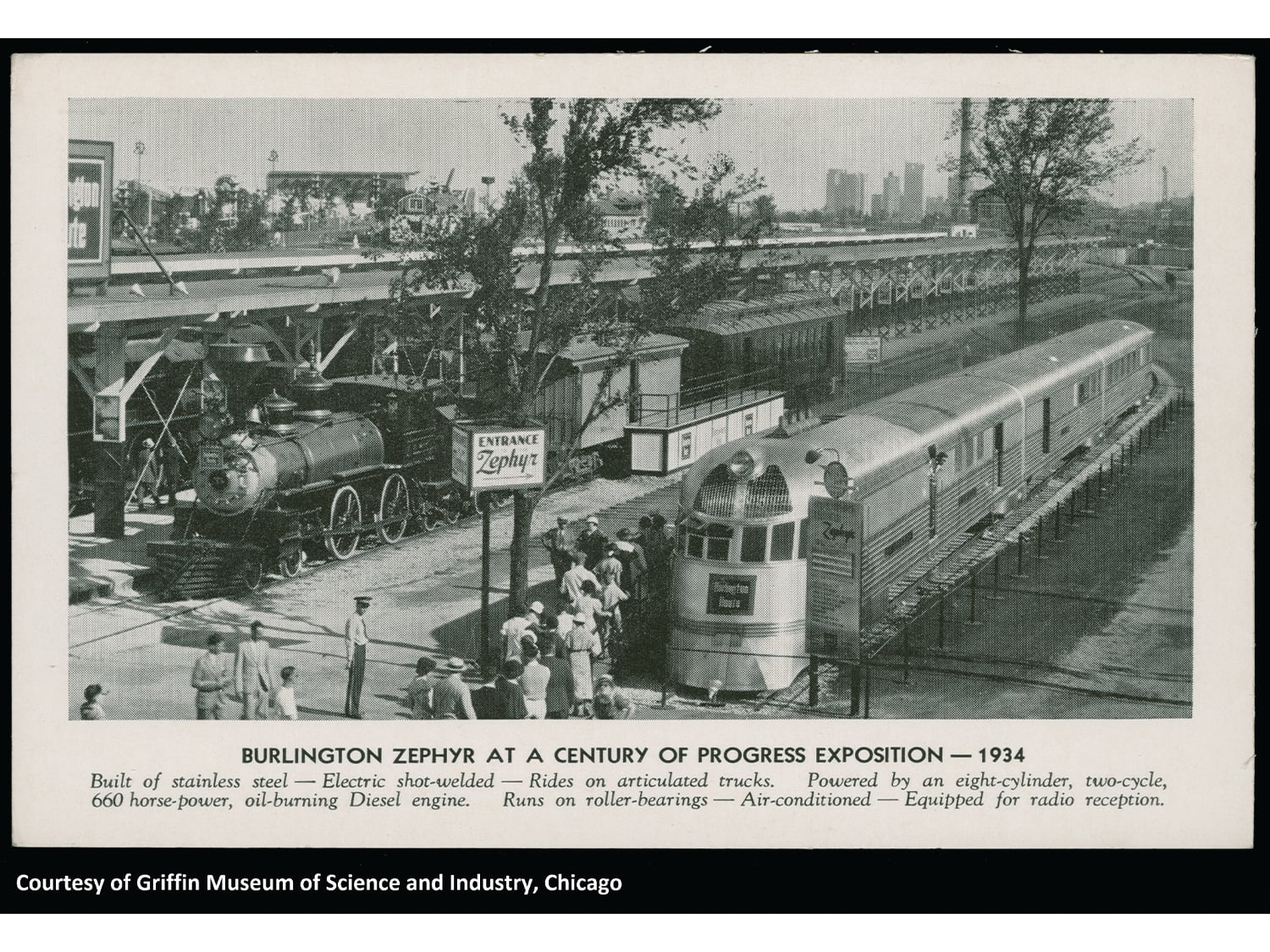
In 1934, a record-run event called the “Dawn-to-Dusk Run” was carried out. Covering a distance of approximately 1,633 kilometres from Denver to Chicago, the train completed the journey in 13 hours and 5 minutes—entirely within daylight hours. For the time, this was an astonishing achievement, with an average speed of about 124 km/h and a top speed of 181 km/h. Crowds gathered along the line to witness the spectacle, which became a striking demonstration of modern rail technology. The Burlington Zephyr’s success soon made it a national sensation.
Great Success and What Followed
After its debut, the Burlington Zephyr was used in test operations and promotional runs in various locations, generating significant public attention. Its advanced performance and design captured people’s interest and helped rekindle enthusiasm for railways. Starting in November of the same year, it began regular service as a scheduled train operating between Lincoln, Omaha, and Kansas City. Passenger numbers also increased, and its positive impact became clearly evident in business performance.
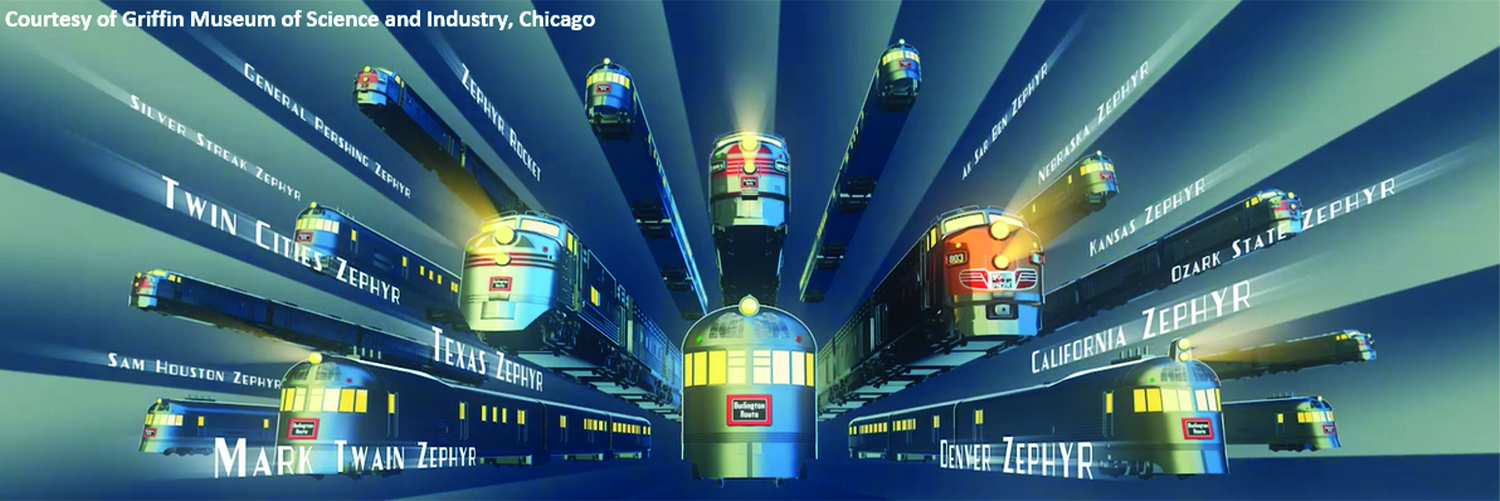
In response to this success, the company went on to introduce a series of successor trains known as the “Zephyr” series. While many Zephyr trains were named after geographic locations along their routes, others adopted more symbolic names, such as “Silver Streak,” highlighting their streamlined, futuristic image. As multiple Zephyr trains came into operation, the original trainset was later given the name “Pioneer Zephyr.” Other railway companies also introduced similar streamlined diesel trains, and in the United States, the so-called “streamliner era” began. As a forerunner, the Pioneer Zephyr became a landmark that opened up a new era in rail transportation.
The Innovation of All-Stainless-Steel Railcars
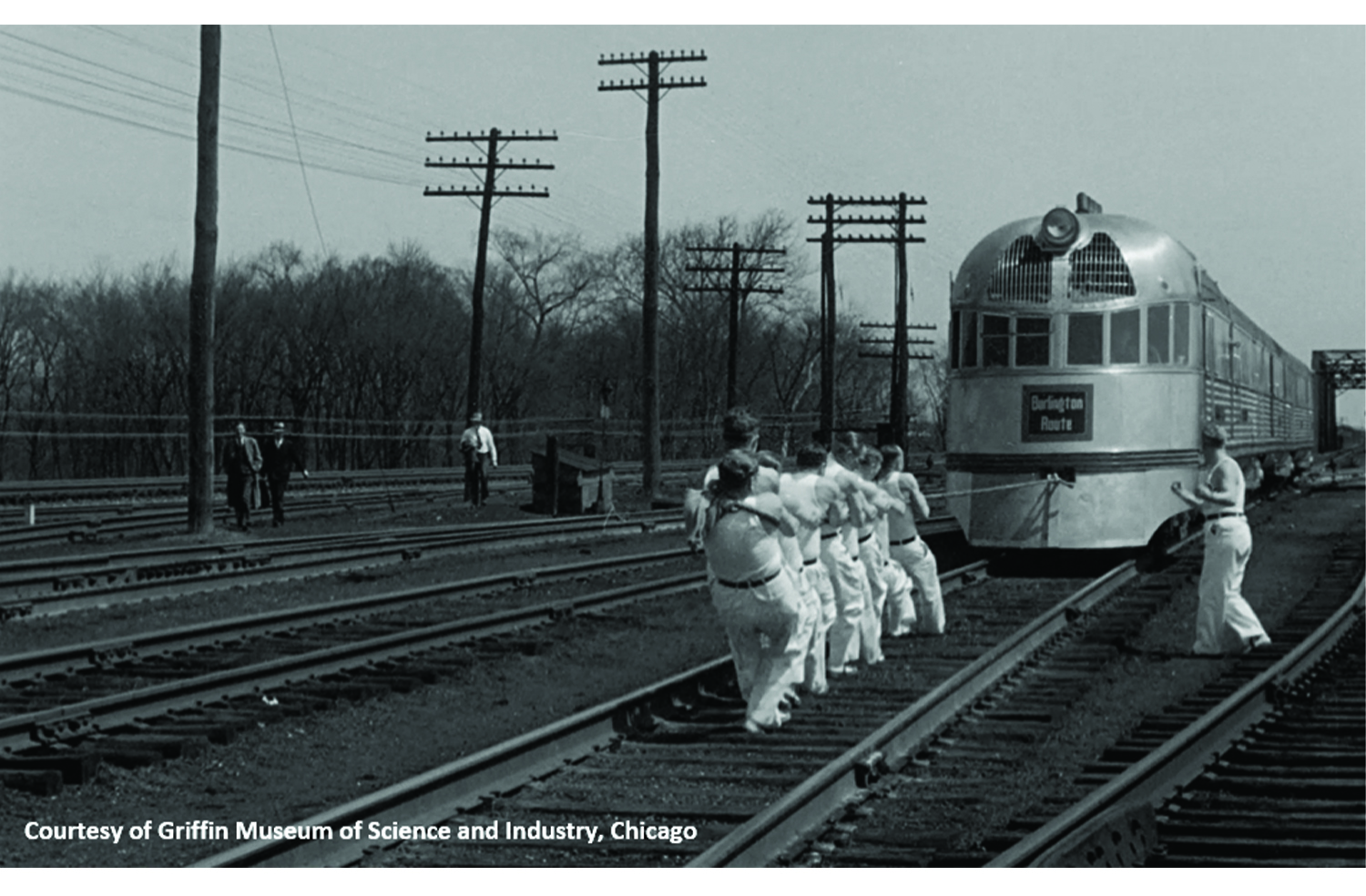
The Budd Company was an American manufacturer that expanded into railway vehicles using the techniques it had pioneered in the automobile industry. In particular, it played a major role in the practical application of stainless-steel carbody construction. The company’s “Shotweld” process was an innovative technology for efficiently joining stainless steel, making it possible to manufacture car bodies that were both lightweight and highly durable.
Thanks to this technology, not only the exterior panels but even the main structural framework of the cars could be made entirely of stainless steel, making “all-stainless-steel railway vehicles” possible. Compared with conventional steel railcars, these vehicles were lighter, highly resistant to corrosion, and easier to maintain—truly a groundbreaking development.
The train born from this innovation was the Burlington Zephyr, later known as the Pioneer Zephyr, introduced in 1934.
Pioneer III and the Pioneer III Bogie
The Budd Company continued its development of lightweight stainless-steel railcars, and in the 1950s announced a new concept for lightweight passenger cars and electric multiple units, or EMUs, known as “Pioneer III.” A prototype was completed in 1956, and in 1958 it was put into practical use as an electric train on the Pennsylvania Railroad, or PRR. One of its distinguishing features, the “Pioneer III bogie,” combined a lightweight structure using small-diameter wheels with a high level of ride comfort. This bogie went on to exert a significant influence on later railway vehicle design.
Back to Today
The Pioneer Zephyr remained in active service for approximately 26 years, until 1960. Today, it is preserved on display at the Museum of Science and Industry in Chicago, where it continues to share its history and influence with audiences in the United States and around the world.
The Pioneer Zephyr in N Scale
Coming this Autumn, KATO’s 1/160 N-scale Pioneer Zephyr brings this legendary streamlined diesel train to life with the precision and craftsmanship developed through years of model railway production. The model faithfully recreates key features of the original, including its articulated bogie structure and distinctive stainless-steel finish.
Product Information / Prototype
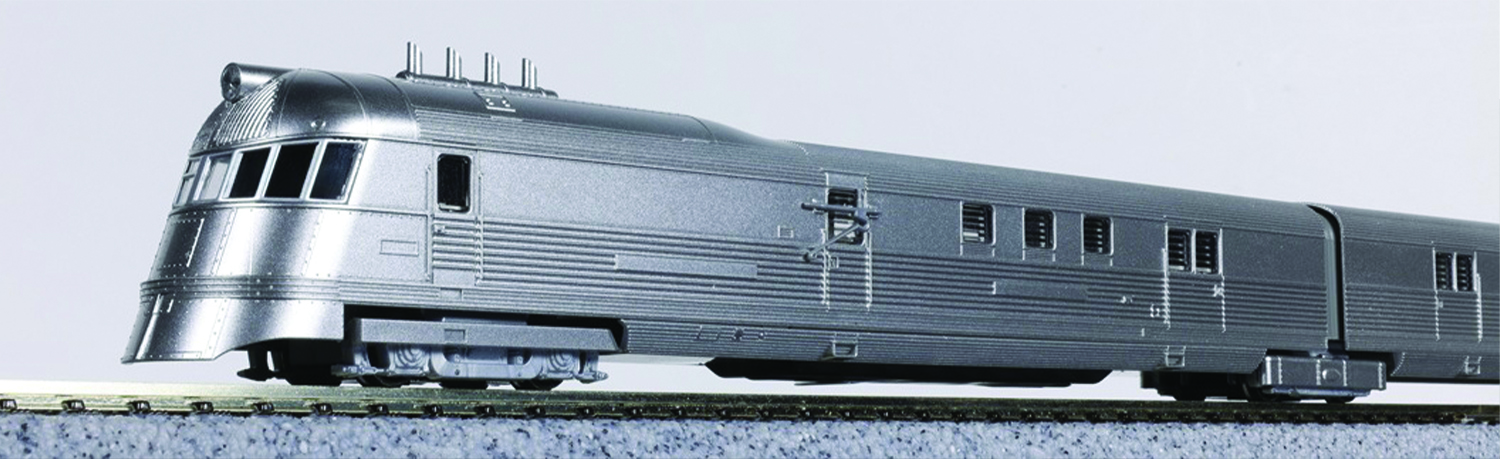
This model recreates the original three-car trainset as it appeared at the time of its debut, including the configuration used for the famous “Dawn-to-Dusk Run.” It also matches the form of the train currently preserved at the Museum of Science and Industry in Chicago.
Each car features a different body length and bogie spacing, giving the Pioneer Zephyr its distinctive profile.

Features
l Faithfully recreates the Pioneer Zephyr’s corrugated stainless-steel bodywork and characteristic metallic texture
l Reproduces the articulated construction using Jacobs bogies, one of the train’s defining features
l Bogie side covers enhance the sense of unity across the entire trainset
l Cars can be connected and disconnected with light force, making storage and handling easier than with the real train’s articulated structure
l Gangway sections between cars are also reproduced with realistic detailing
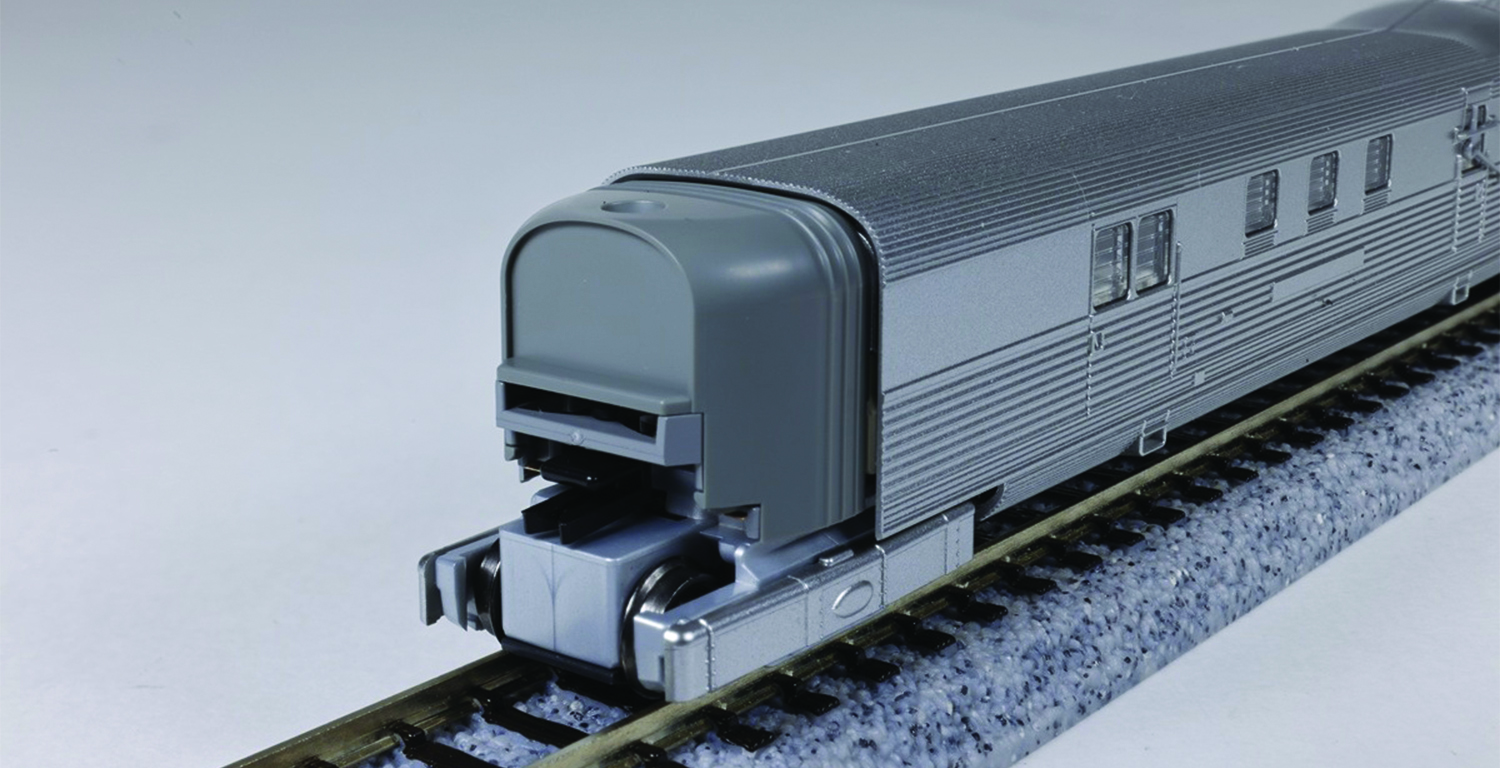
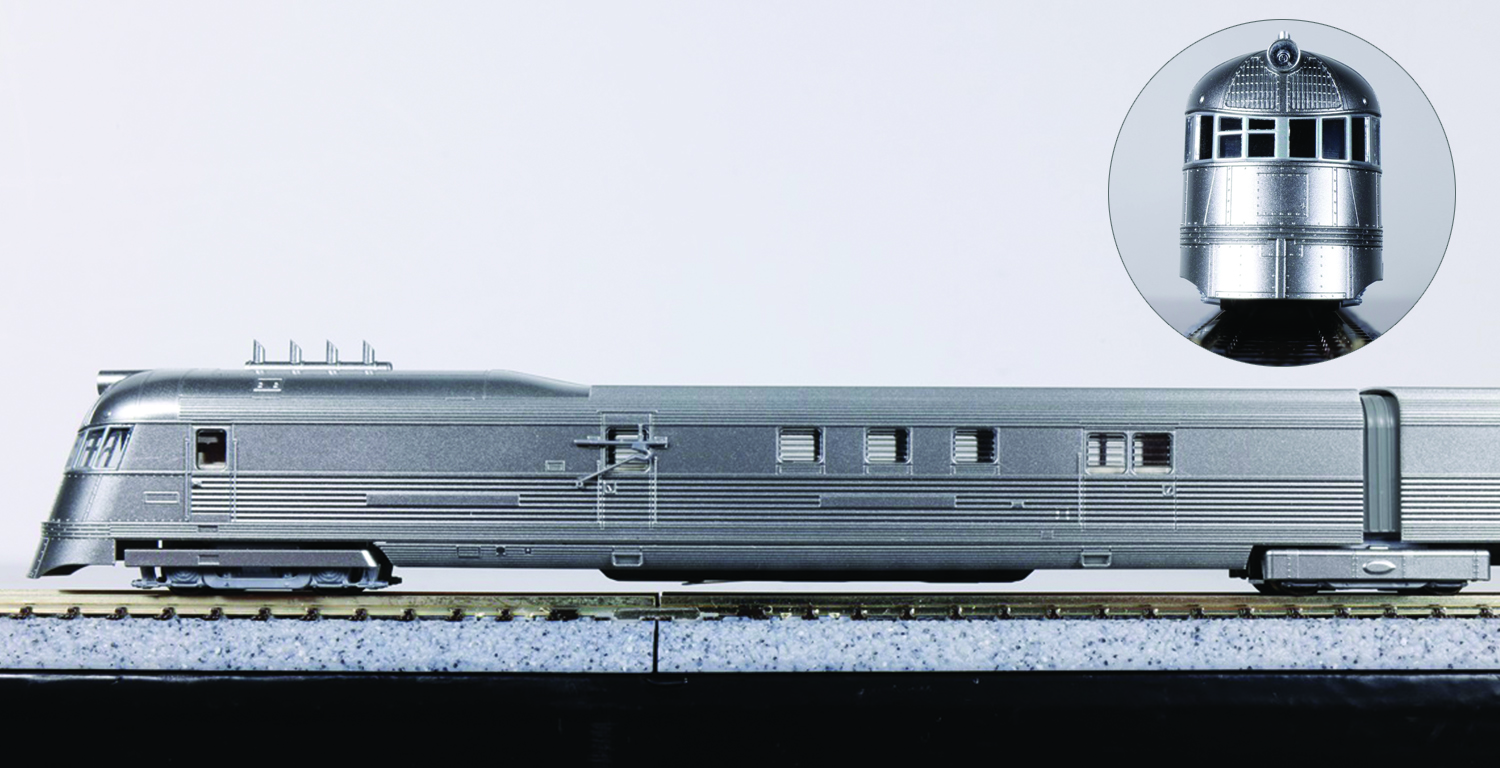
Car No 1 #9900
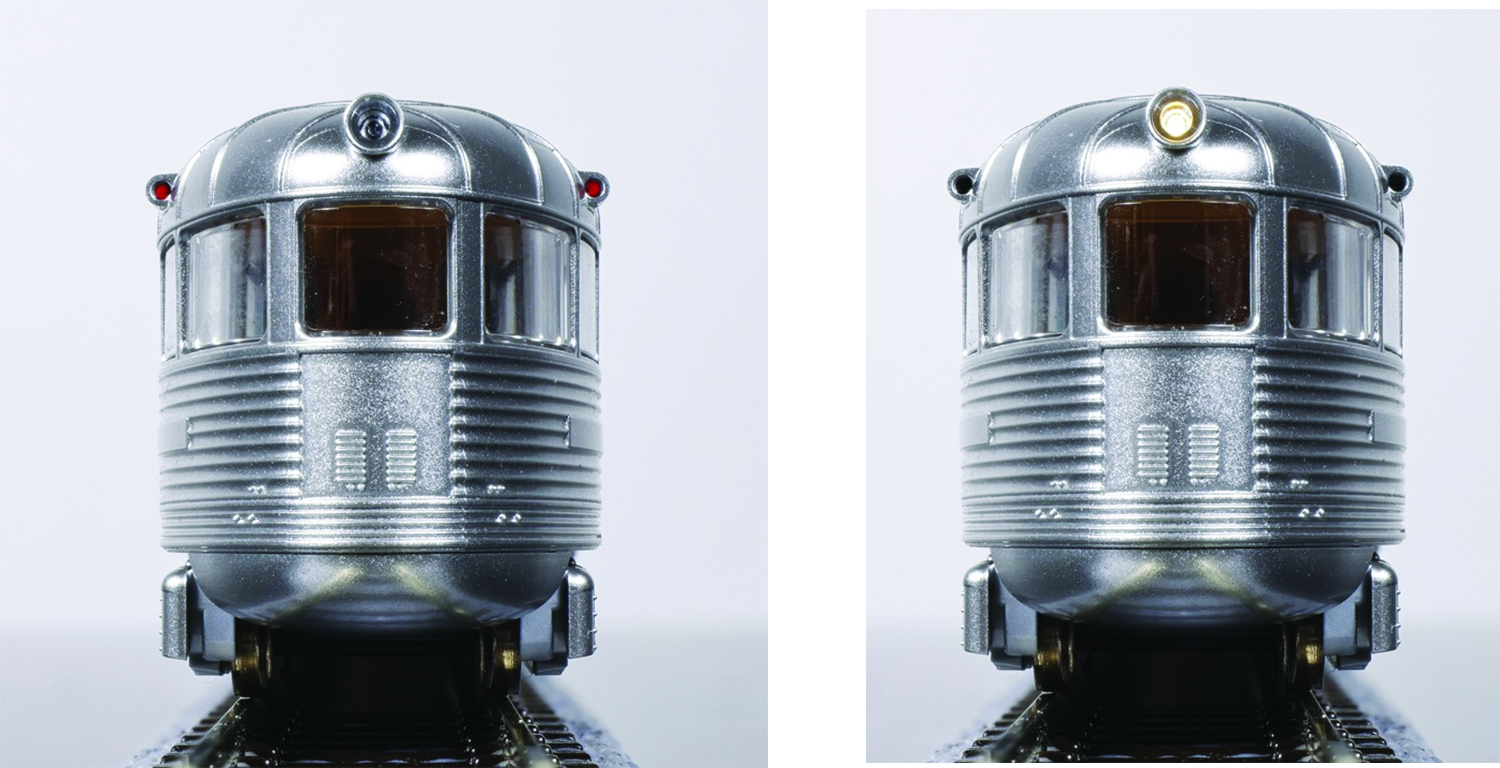
Car No. 1 is the powered car, equipped with a diesel engine. Rather than being a separate locomotive, it also includes interior space for mail and baggage.
The model faithfully reproduces the car’s distinctive exterior, including the rows of spot-like weld marks created by Budd Company’s proprietary Shotweld process, as well as the uniquely curved front-end design.
l Headlight illuminates when running forward
l Designed to allow installation of a DCC sound speaker
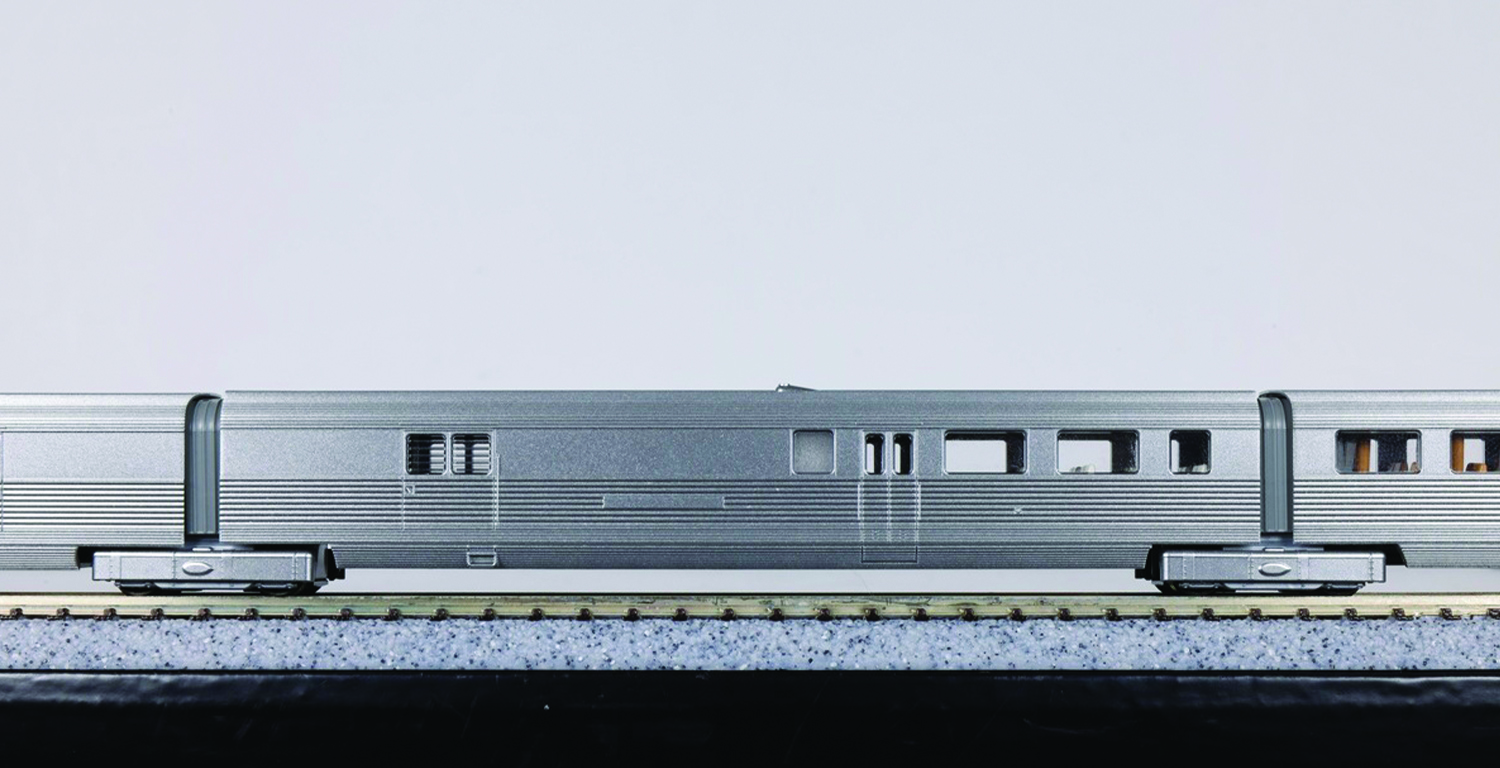
Car No 2
Car No. 2 is the intermediate car, combining mail and baggage space with a buffet and passenger seating area. Despite its short body length, it served multiple functions, giving it a particularly unique layout
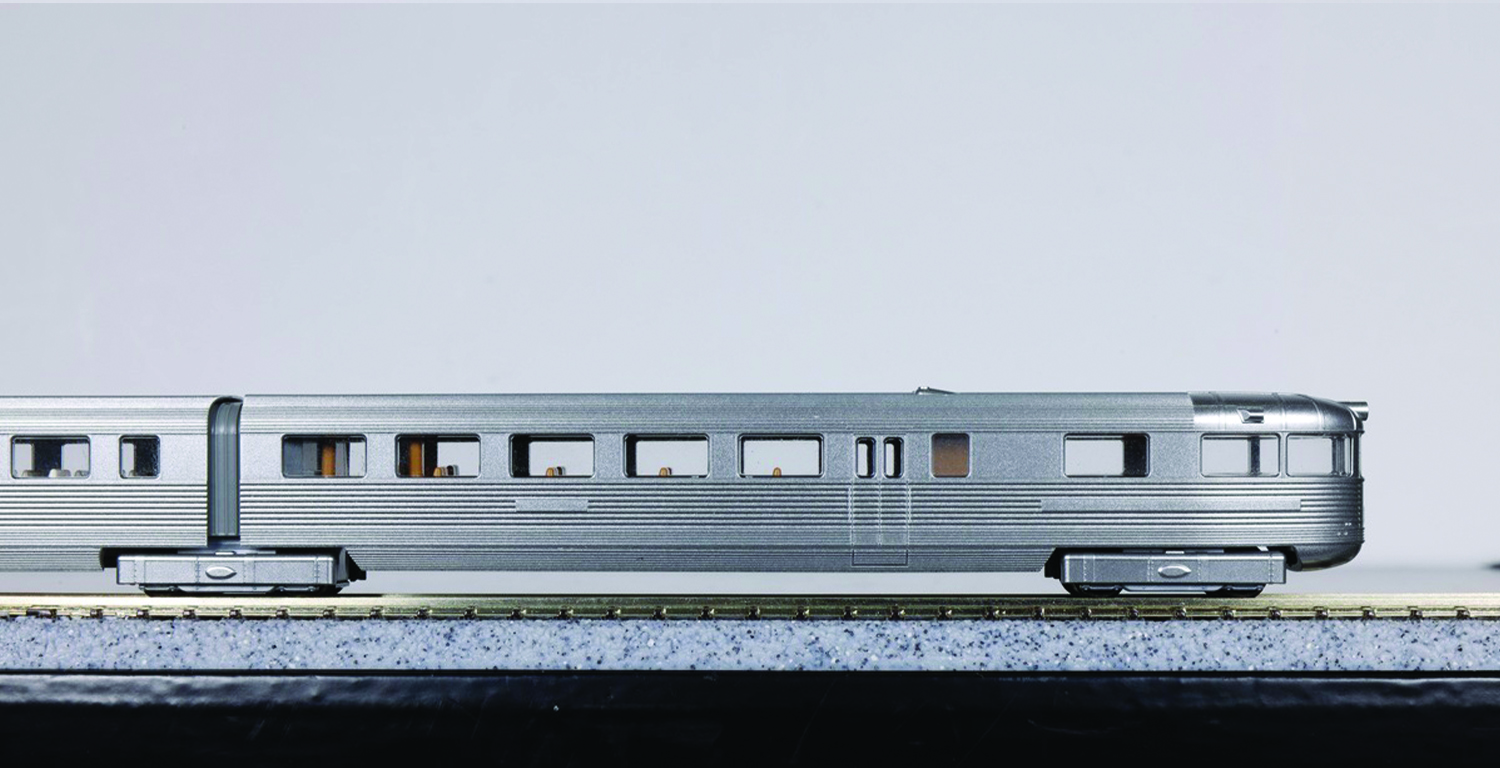
Car No 3
Car No. 3 is the rear car, featuring passenger seating and an observation compartment.
- Reproduces both the taillights used during normal operation and the backup light used for reverse movements
- Captures the distinctive appearance of the rear observation section
Available To Pre-Order Now
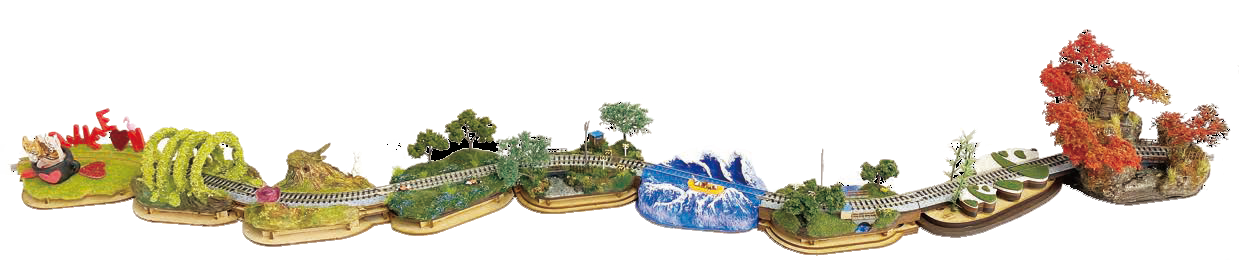
Come and take part in the Mini Diorama Circus at TINGS 2026!
We would like to invite you to take part in the Mini Diorama Circus that will take place by the KATO stand at the “International N gauge Show 2026” in Warwick this September!
How it works:
- Write your name and contact details clearly on the underside of your diorama.
- Bring your completed Mini Diorama to the KATO stand.
- Visitors can then leave comment cards with messages about your work.
- Collect your diorama before leaving the exhibition.
Participation is free and open to all ages and skill levels!
Further details will be made available through the Mini Diorama Circus website.
Don't forget to check out these related news articles from the KATO Brands
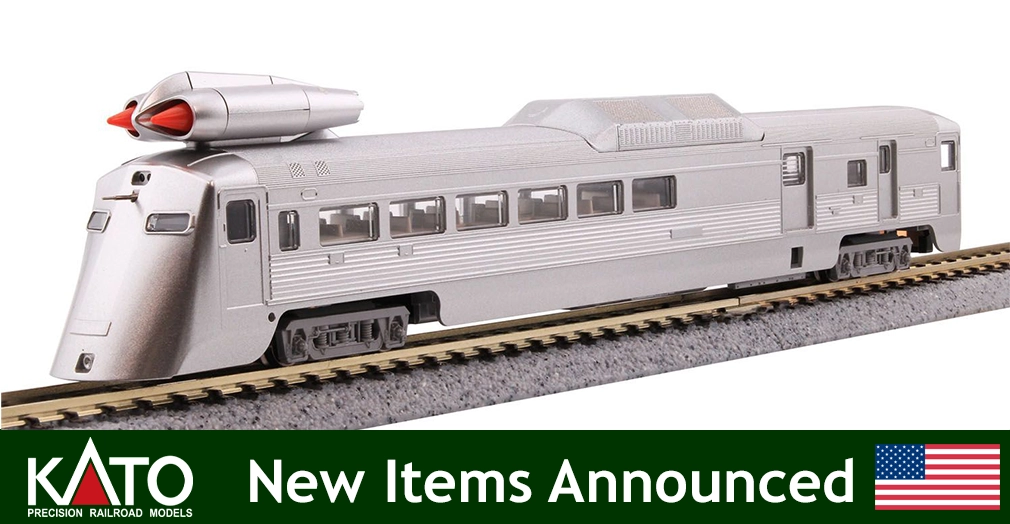
Kato USA has announced two exciting new additions to its N Scale range with the introduction of the futuristic M497 "Black Beetle" experimental railcar and a new selection of GE ES44AC diesel locomotives
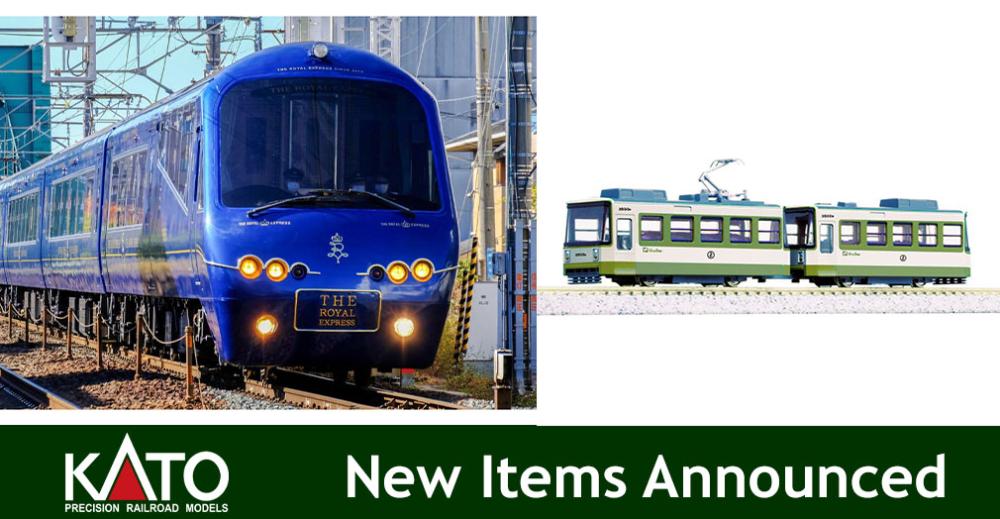
Kato has revealed the latest models being added to their vast Japanese selection of electric multiple units. These include one of Japan's most prestigious luxury trains and a beautiful addition to their pocketline series.
You can view the full KATO range on our website through the button below.